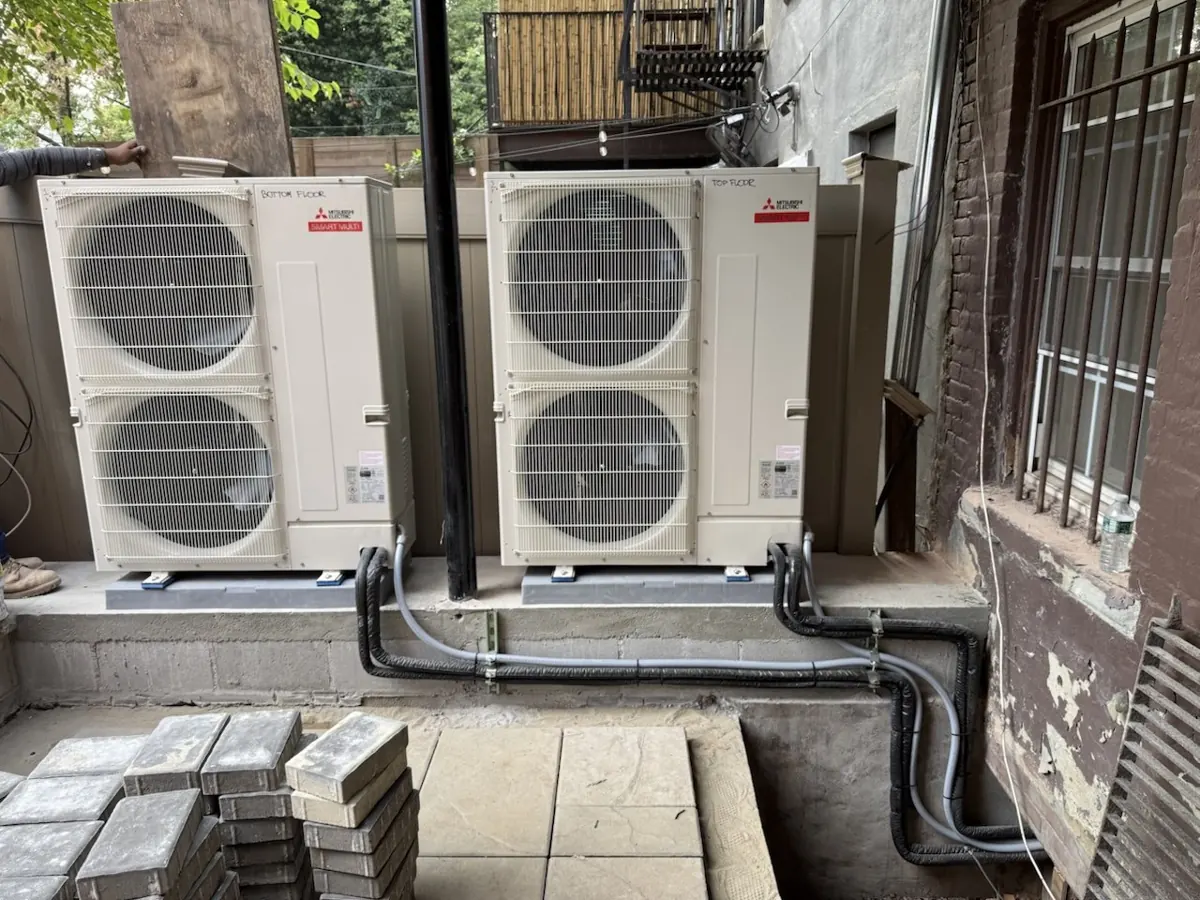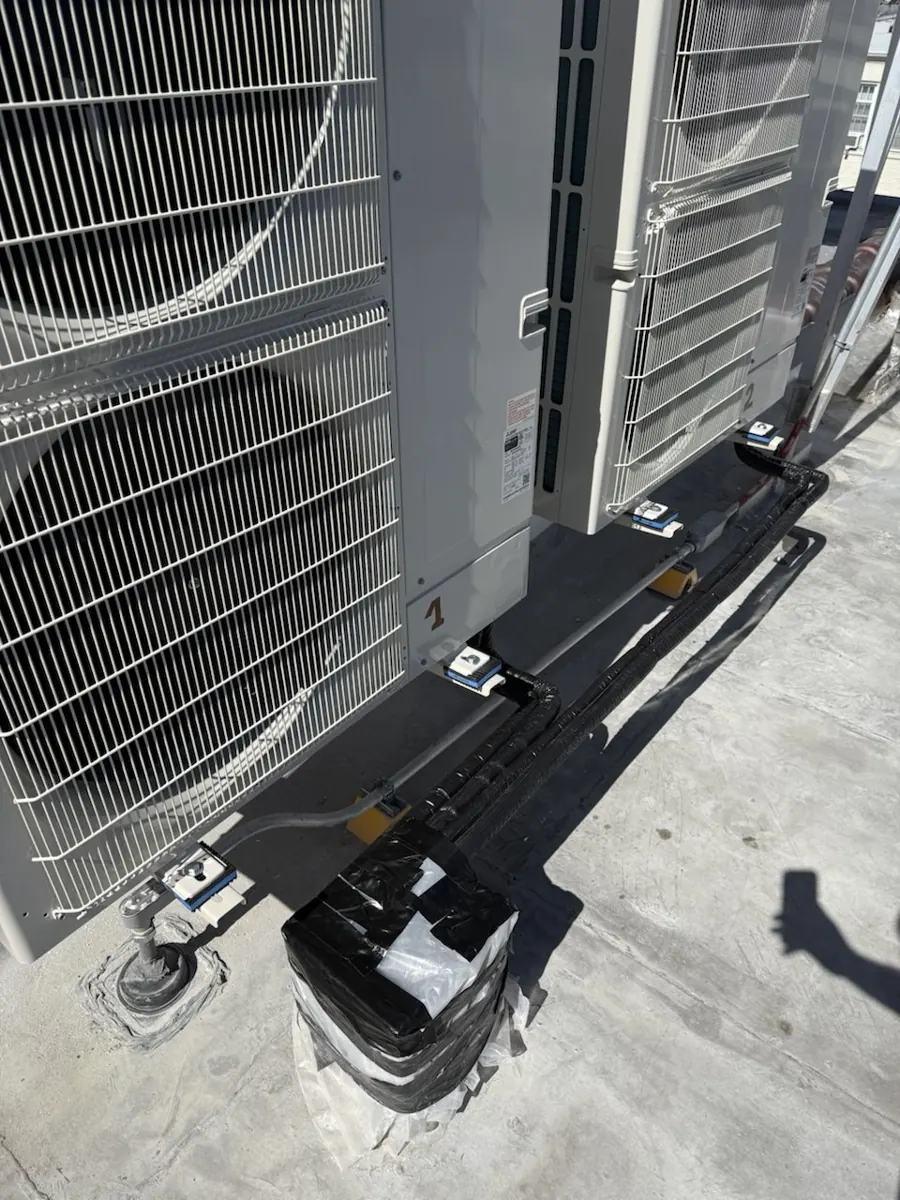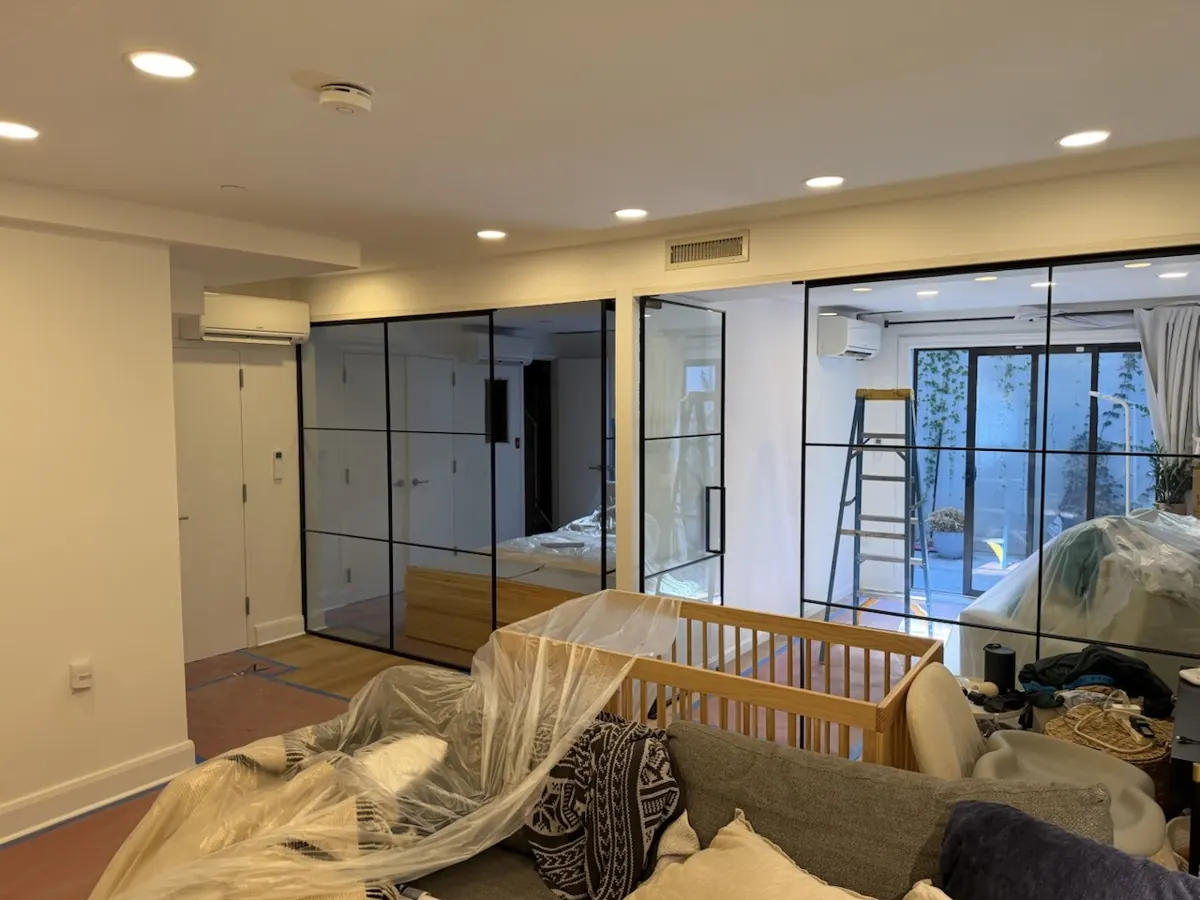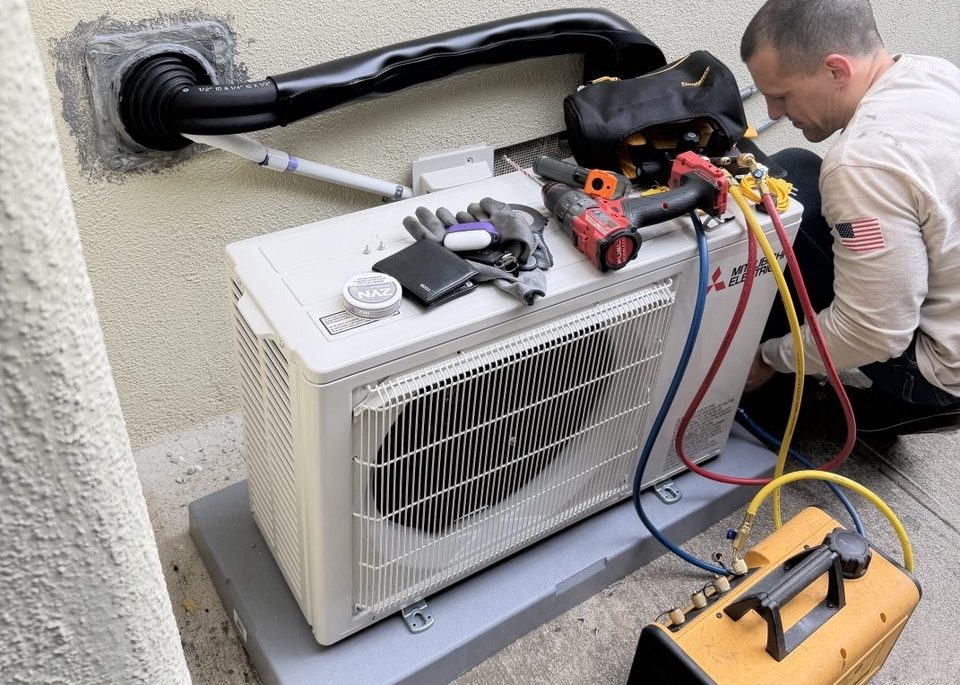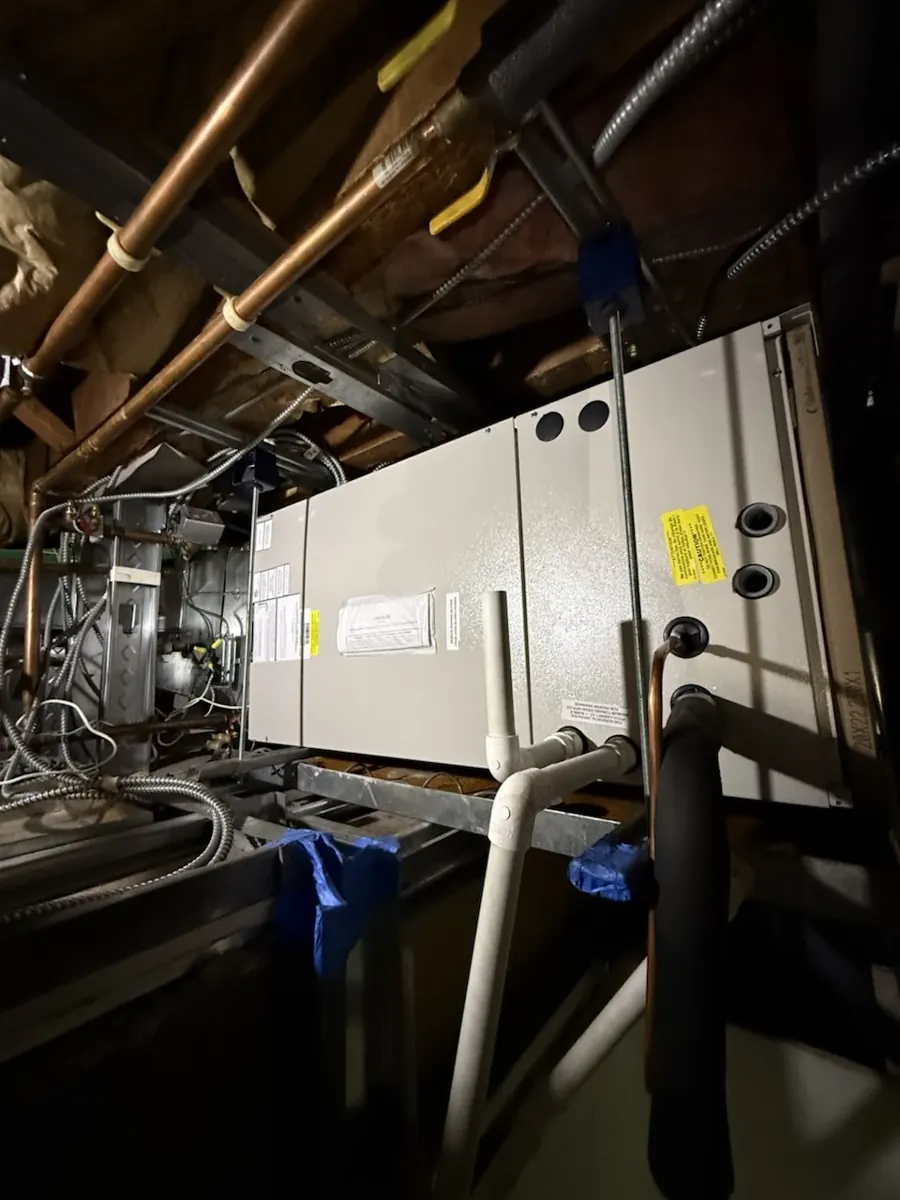
The choice between a ducted vs ductless heat pump in California mostly comes down to your existing ductwork. If your home has ducts that are properly sized, reasonably tight and in a good location, a ducted heat pump that reuses them is usually the most direct path. If your home has no ducts, or ducts that are leaky, undersized or buried in a hot attic, a ductless heat pump (or a hybrid with slim ducted units) usually delivers better comfort with less disruption.
Beyond the ducts, the decision turns on comfort, zoning, filtration, appearance and installation scope. This guide focuses on the heat pump decision specifically. If you are comparing ductless systems to a traditional central AC, start with our mini split vs central air guide; here we assume you already want a heat pump and need to decide how it should deliver air.
Ducted vs ductless heat pump: the short version
Both are heat pumps. Both cool in summer and heat in winter by moving heat rather than burning fuel, and both work very well in California's mild climate. The difference is distribution.
- Ducted heat pump: An outdoor unit paired with an indoor air handler (or a furnace as backup in a dual-fuel setup) that pushes air through a duct system to supply registers in each room. One thermostat, or a few if the ducts are zoned.
- Ductless heat pump: An outdoor unit connected by refrigerant lines to one or more indoor heads, each in the room it conditions. Each head has its own controls.
- Hybrid: A mix, such as a ducted system for most of the house and ductless heads for problem rooms, or slim ducted air handlers serving a few rooms each.
Reusing existing ducts with a heat pump
Reusing ducts is the main argument for ducted. But "we have ducts" is not the same as "our ducts are ready for a heat pump." Before reusing them, check:
- Sizing. Heat pumps typically move more air per unit of capacity than older furnaces were designed for, and variable-speed heat pumps run long, gentle cycles. Undersized ducts or too few returns can cause noise, poor airflow and reduced efficiency.
- Leakage. Old attic and crawlspace ducts in LA homes from the 1950s and 60s often have disconnected runs, failed tape and crushed flex duct. Leaks in a hot attic waste a lot of the cooling you pay for.
- Location. Ducts running through an unconditioned attic face extreme summer temperatures, especially in the Valley.
- Condition. Brittle insulation, damaged liners and dust buildup can be reasons to replace sections rather than reuse.
When ducts pass inspection, a ducted heat pump can be a clean swap. When they do not, the question becomes whether to repair, replace or go ductless. Our ductwork installation page explains what a proper duct job involves.
Duct leakage testing and Title 24
California's Title 24 Part 6 applies to HVAC changeouts. When ducts are altered or replaced as part of the work, the job may require duct leakage testing verified by a HERS rater, along with other verifications such as refrigerant charge and airflow depending on scope. If the ducts fail, they need to be sealed or repaired until they meet the requirement.
This affects the ducted path more than the ductless one. A ductless installation does not involve a duct system, though it still needs a permit and Title 24 compliance. Rules are detailed and can change, so confirm the requirements for your project with your contractor and building department (LADBS in the City of LA, or local departments in Beverly Hills, West Hollywood, Burbank and Glendale). Our article on AC replacement permits in Los Angeles covers the process.
Slim-duct and air handler hybrids
The line between ducted and ductless is blurrier than it used to be. Many heat pump platforms offer:
- Slim ducted (concealed) units: Compact air handlers hidden in an attic, soffit or closet that serve one to a few rooms through short duct runs. You see only grilles, but each unit is its own zone.
- Multi-position air handlers on multi-zone systems: Some multi-zone and branch box systems can combine wall heads in some rooms with a ducted air handler serving others, all on one outdoor unit.
- Ducted system plus ductless add-ons: A ducted heat pump for the main house with a ductless head for an addition, ADU, converted garage or hot upstairs room.
Hybrids are especially useful in LA's older homes, where a 1920s Spanish Revival might have room for a short duct run in a hallway ceiling but no path to a whole-house system. See our multi-zone mini split design guide for how zones are planned.
Planning a new system? Get a free in-home estimate with a load calculation and a written quote with exact model numbers. Call (818) 230-4038 or use the form — or text us a photo of your current system.
Comfort and efficiency
Both approaches can be very comfortable and efficient when sized correctly with a Manual J load calculation. The differences:
- Ductless avoids duct losses entirely, because conditioning happens in the room. Inverter-driven heads modulate to match each room's load.
- Ducted delivers even, quiet air through the whole house when ducts are well designed and tight. Variable-speed ducted heat pumps run long, gentle cycles that improve comfort and humidity control.
- Poor ducts erase the advantage. A high-efficiency ducted heat pump connected to leaky attic ducts can underperform a modest ductless system.
Efficiency ratings (SEER2, EER2, HSPF2) let you compare equipment on paper; read our explanation of SEER2 ratings in California.
Zoning
Ductless systems are naturally zoned: every head is a zone. That suits homes where rooms are used at different times, upper floors run hotter, or one sun-heavy room is always out of step. Ducted systems can be zoned with dampers and multiple thermostats, but zoning existing ducts adds complexity and needs careful design so the equipment always has enough airflow. Two separate ducted systems, one per floor, is another option in larger homes.
Filtration and air quality
Filtration is a real advantage of ducted systems in California, where wildfire smoke has become a recurring concern. A ducted heat pump can use a higher-efficiency media filter cabinet if the return is sized for it, filtering the whole home's air as it recirculates. Ductless heads have washable screens that catch dust and lint but are not designed for fine smoke particles; pair them with portable air cleaners in bedrooms and living areas. Tight ductwork also matters, because leaky returns can pull attic dust and insulation fibers into the house.
Aesthetics
A ducted system is nearly invisible inside: registers and a thermostat. Wall-mounted ductless heads are visible, which some homeowners do not mind and others want to avoid, especially in historic interiors. Ceiling cassettes, floor consoles and slim ducted units soften that trade-off. Outside, both need an outdoor unit; multi-zone ductless systems may also have line sets on exterior walls, which can be enclosed in painted line-hide covers or run inside walls.
Cost factors
We do not publish price ranges, because scope varies too much, but these factors drive the difference:
- Ducted: condition of existing ducts, sealing or replacement, leakage testing, air handler location, return upgrades, filtration cabinet.
- Ductless: number of zones and heads, head types, line set lengths and routing, condensate pumps, wall penetrations and finishing.
- Both: capacity, efficiency tier, electrical panel and circuits, access, permit and HERS testing, old equipment removal, and available rebates.
Our article on what drives heat pump installation cost in Los Angeles breaks these down, and our California heat pump rebates guide covers incentives for both approaches.
Decision table by home type
| Home type | Usually fits best | Why |
|---|---|---|
| 1950s–70s ranch with existing attic ducts in good shape | Ducted heat pump | Reuses ducts; test and seal as needed |
| Same ranch, ducts leaky or crushed | Ducted with new ducts, or ductless | Compare duct replacement scope against ductless zones |
| 1920s Spanish Revival or Craftsman with no ducts | Ductless or slim-duct hybrid | Avoids opening plaster walls for a full duct system |
| Two-story home, hot upstairs | Two ducted systems, or ducted plus ductless upstairs | Separate control for each floor |
| Hillside split-level home | Multi-zone ductless or hybrid | Each level and sun-exposed room controlled separately |
| Condo or townhome | Ductless or replacement of existing ducted system | Depends on existing equipment and HOA rules |
| ADU, garage conversion or addition | Single-zone ductless | Independent, compact, no tie-in to main ducts |
| Home where whole-house smoke filtration is a priority | Ducted with upgraded filtration | Central media filter cleans air for every room |
Questions to ask before you decide
Before you commit to either path, get clear answers to these questions from whoever is quoting the job:
- What did the load calculation show? Capacity should come from a Manual J, not the size of the old unit.
- What condition are my ducts in? Ask for specifics: disconnected runs, crushed flex, missing returns, leakage concerns. Photos help.
- Will the ducts be altered, and does that trigger leakage testing? If so, what happens if they fail?
- Where will the air handler or indoor heads go? Placement affects comfort, noise, appearance and service access.
- How will each room or floor be controlled? One thermostat, zoned dampers, separate systems or individual heads.
- What filtration will the system support? Especially important if wildfire smoke is a concern where you live.
- Does my electrical panel have room? A new circuit is standard; a panel upgrade is a bigger job.
- Which rebates fit this equipment? Model numbers and AHRI references decide eligibility.
It also helps to think about the next ten or fifteen years in the house. Are you planning an ADU, a remodel that opens up walls, or a second-story addition? A remodel can be the ideal moment to run new ducts or conceal line sets inside walls, while an ADU usually makes the most sense as its own single-zone ductless system. Matching the HVAC plan to your renovation plans avoids paying to redo work later.
A contractor who can answer these clearly, for both options, is giving you a real comparison rather than a sales pitch for one system type.
“Fast response, competitive pricing and very communicative. If you want to deal directly with a service technician, call Nick. Most other places will direct you to a call center that sub-contracts the work out.”
Iconica Recordings · Google review
How HVAC Installation LA handles this
We start with a Manual J load calculation and look at your ducts, panel and layout before recommending either path. When both are reasonable, we quote them side by side, with exact model numbers, scope and price in writing, so you can compare a ducted heat pump against ductless zones on the same house. We pull the permit, handle Title 24 and HERS testing, including duct leakage testing when ducts are altered, and file utility rebate paperwork with LADWP, SCE, BWP or GWP when equipment qualifies. Our lead tech is trained on Mitsubishi Electric, Daikin and Fujitsu equipment. Floors are covered, the site is cleaned and old equipment is hauled away.
See our heat pump installation and ductless mini split installation services, or browse brands like Carrier and Mitsubishi Electric. Free in-home estimates for installations: call (818) 230-4038, email estimates@hvacinstallationla.com, or contact us online.
Frequently Asked Questions
01Is a ducted or ductless heat pump better for a California home?
A ducted heat pump usually fits best when the home already has sound, well-sized ducts. A ductless heat pump usually fits best when there are no ducts, the ducts are in poor shape, or individual rooms need separate control.
02Can I reuse my existing ducts with a new heat pump?
Often, yes, if the ducts are properly sized, reasonably tight and in good condition. A heat pump moves air differently than an old furnace, so ducts should be inspected and sometimes modified before reuse.
03Does Title 24 require duct testing when I install a heat pump?
When ducts are altered or replaced as part of an HVAC change, Title 24 may require duct leakage testing verified by a HERS rater. The exact requirements depend on scope, so confirm them with your contractor and building department.
04What is a slim ducted heat pump?
A slim ducted unit is a compact concealed air handler, usually installed in an attic, soffit or closet, that serves one or a few rooms through short ducts. It gives the zoning of a ductless system without visible wall units.
05Which is better for wildfire smoke, ducted or ductless?
Ducted systems can use higher-efficiency media filters if designed for them, which makes whole-home filtration easier. Ductless heads have basic screens, so portable air cleaners are a good addition during smoke events.
06Is ductless always cheaper than ducted?
No. A single-zone ductless system can be simple, but a whole-home multi-zone system has many heads and line sets. A home with good existing ducts may be less work to convert with a ducted heat pump.