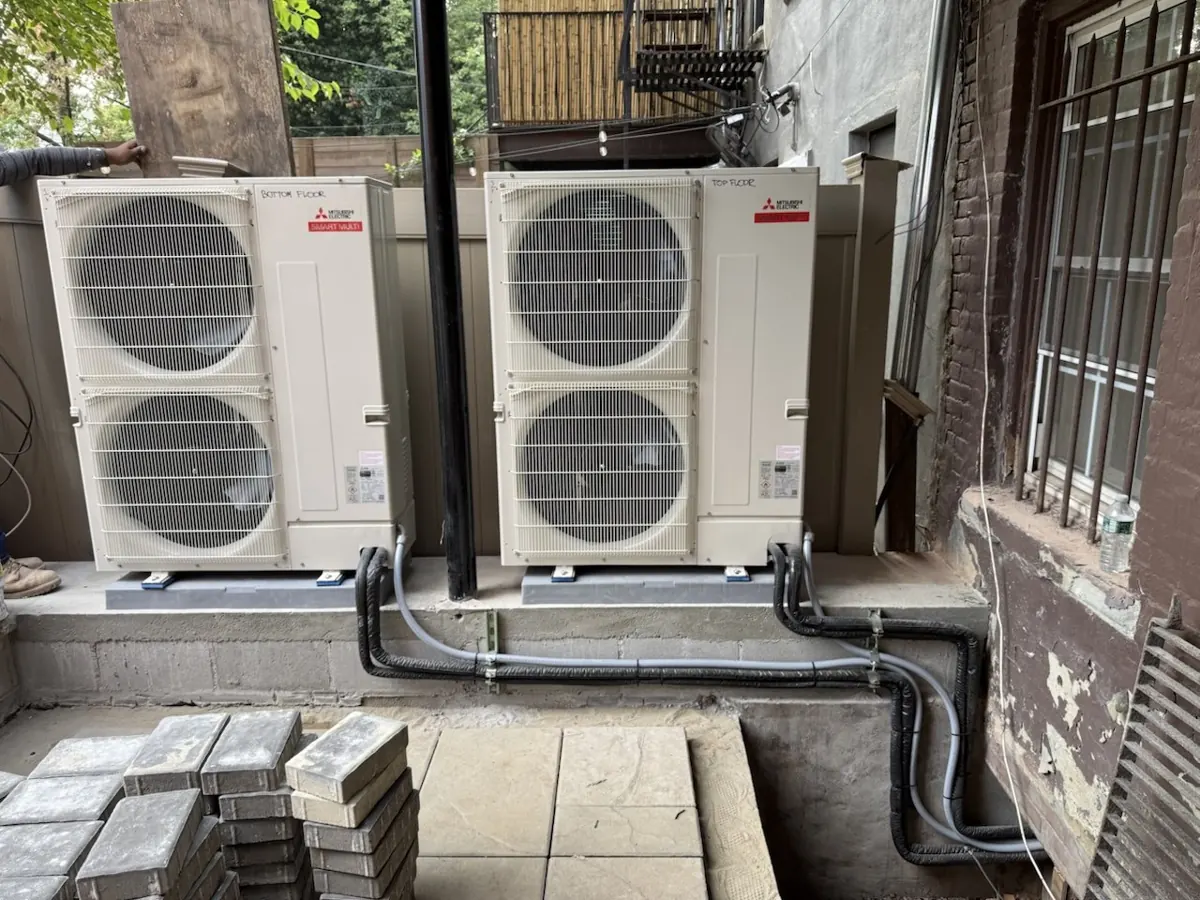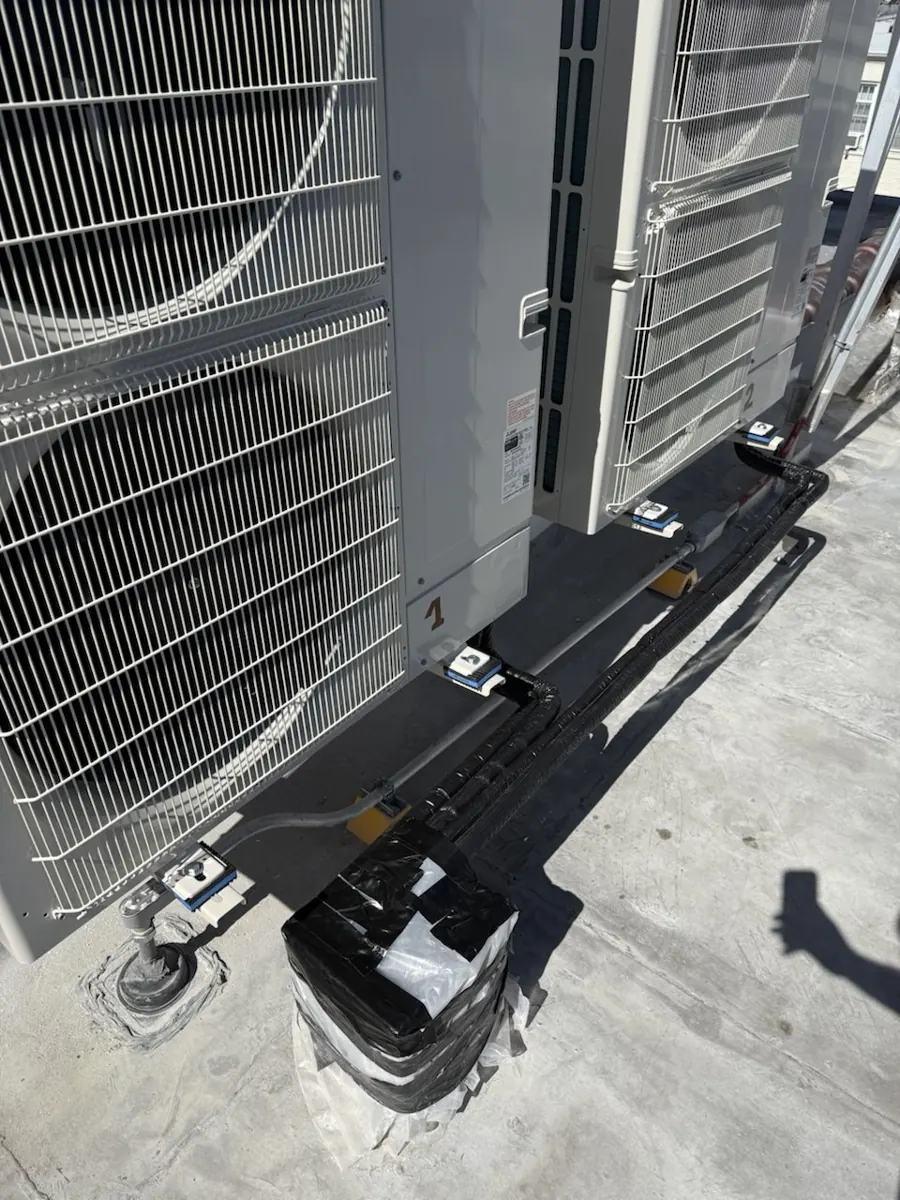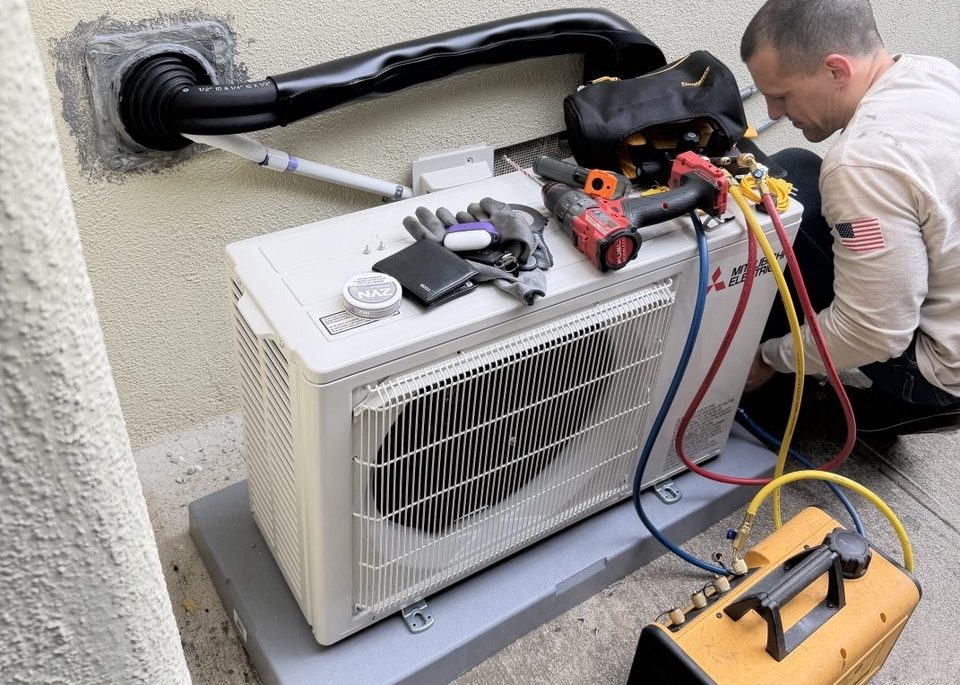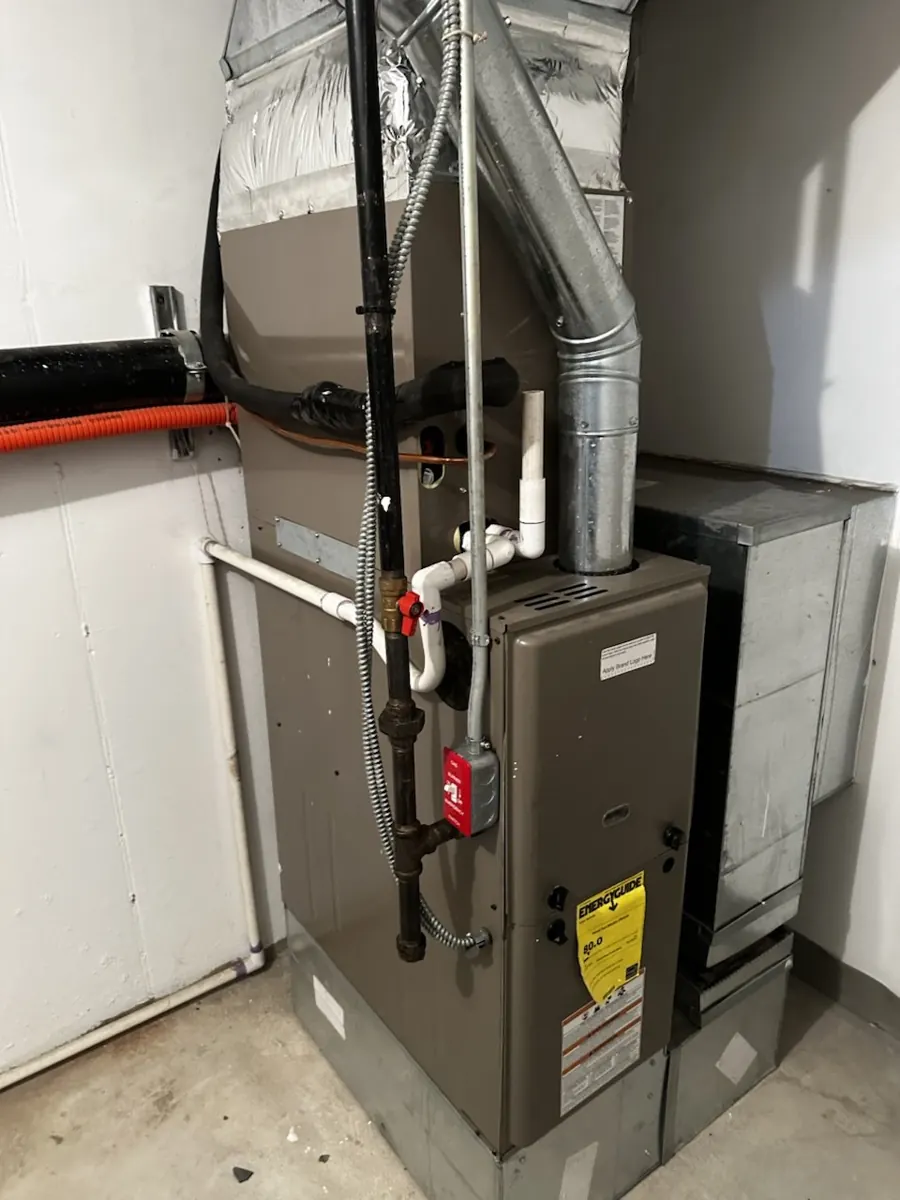
If you want to replace a gas furnace with a heat pump in California, Los Angeles is about the easiest place in the country to do it. Our winters are short and mild, most homes already have central AC that is due for replacement, and a single heat pump can take over both jobs: cooling in summer and heating in winter, from one outdoor unit and one indoor air handler or furnace-style coil cabinet.
The short answer for most LA homeowners: yes, a heat pump can fully replace your gas furnace, and in most cases you do not need gas backup at all. The questions that actually decide the project are whether to keep the furnace as a backup (dual fuel) or go fully electric, whether your electrical panel has the capacity, how the gas line and flue are retired, and whether your ductwork is in good enough shape to reuse. This guide walks through each one, then lays out the step-by-step conversion process we use.
Why a heat pump replacing a gas furnace works in Los Angeles
A heat pump is an air conditioner that can run in reverse. In summer it pulls heat out of the house and dumps it outside. In winter it pulls heat from the outdoor air and moves it inside. Even when it feels chilly to you, the outdoor air still holds plenty of heat for the system to collect, and modern variable-speed heat pumps are designed to keep producing heat well below anything Los Angeles normally sees.
That matters because LA heating loads are small. Valley mornings in Burbank and Glendale run colder than the basin, and hillside homes catch wind, but our heating season is still light. The system spends most of its life cooling through long summers and fall heat waves, then handling a few months of gentle heating.
The other reason it works: most furnaces in LA are paired with an AC that is the same age. When both are fifteen or twenty years old, a single heat pump replaces two pieces of equipment that would otherwise be replaced separately. See our heat pump installation page for the equipment we install.
Dual fuel vs all-electric: keeping gas as backup or not
There are two ways to replace a gas furnace with a heat pump. Both are legitimate. The right one depends on how old your furnace is and what you want long term.
All-electric heat pump
The furnace comes out completely. It is replaced with an air handler (a fan cabinet with an indoor coil) that pairs with the outdoor heat pump. Many air handlers can include electric backup heat strips, which mostly sit idle in LA but provide a safety net and help during defrost cycles. This is the cleanest path if your furnace is old, if you want to eventually drop your gas service, or if you are planning other electrification work like an induction range or heat pump water heater.
Dual fuel (heat pump plus gas furnace)
The outdoor heat pump is paired with a gas furnace instead of an air handler. The heat pump does all the cooling and most of the heating. The furnace kicks in only below a temperature you set, or when you want quick heat. This makes sense when your furnace is relatively new and in good condition, when your panel cannot easily support electric backup heat, or when you simply want to keep gas for now and see how you like heat pump heating.
| Factor | All-electric heat pump | Dual fuel |
|---|---|---|
| Furnace | Removed, replaced with air handler | Kept or replaced with a new gas furnace |
| Gas line and flue | Capped and retired (unless other gas appliances use them) | Stay in service |
| Electrical demand | Higher if backup heat strips are installed | Lower; furnace covers coldest hours |
| Best fit | Old furnace, electrification goals, newer panel | Newer furnace, limited panel capacity, cautious first step |
| Future rules | No exposure to tightening gas appliance rules | Furnace will eventually need replacing under whatever rules apply then |
For most LA homes with an aging furnace, we lean toward all-electric. The heating load is light enough that the backup furnace in a dual fuel setup would rarely run. But we quote both side by side when it makes sense so you can compare.
Electrical panel and circuit check
This is the step that surprises people. A gas furnace barely uses electricity: just a blower motor and controls. A heat pump needs a dedicated outdoor circuit, and an air handler with backup heat strips needs another, larger one. If you are removing an existing AC, the outdoor circuit often already exists and can sometimes be reused if it is sized correctly for the new equipment. The air handler circuit is usually new.
Before quoting, we look at:
- Panel size and condition. Many 1920s to 1960s homes in Glendale, Burbank, Studio City and Hollywood still have 100-amp panels, and some have older panels that are worth replacing regardless.
- Available breaker spaces. A full panel may need rearranging or a subpanel.
- Existing loads. EV chargers, electric dryers, pool equipment, ADUs and electric ranges all compete for capacity. A panel load calculation shows whether there is room.
- Backup heat sizing. In LA, backup heat strips can often be smaller than in colder climates, or skipped in some designs, which reduces the electrical load.
If capacity is tight, there are options short of a full service upgrade: smaller or no backup heat, a dual fuel design, or a smart panel or circuit-sharing device that prevents two big loads from running at the same time. Which of those your building department will accept depends on the jurisdiction and the specific device, so we confirm that before committing to a plan.
What happens to the gas line and flue
When the furnace comes out in an all-electric conversion, two things need proper handling.
The gas branch line. The line serving the furnace is shut off at the appliance valve and capped with the correct fitting. If your water heater, range or dryer still use gas, your gas service stays active and only the furnace branch is retired. If the furnace was your last gas appliance, you can talk to SoCalGas about your account and meter; that is a separate decision you can make later.
The flue (vent pipe). Older furnaces often share a vent with a gas water heater. If the water heater stays, the vent may need to be resized or relined, because a vent sized for two appliances can draft poorly with only one. If no gas appliance uses it anymore, the flue can be removed and the roof or wall penetration sealed. This is a detail that sloppy installs skip, and it is one of the things the permit inspection checks.
Both items are part of the permitted scope. We pull the permit as part of every installation; our guide on AC replacement permits in Los Angeles explains how that process works with LADBS and the separate building departments in Beverly Hills, West Hollywood, Burbank and Glendale.
Comfort differences: how heat pump heat feels
This is the honest part of the conversation. A gas furnace produces very hot air at the register, often well above body temperature, in short, loud bursts. Put your hand over a vent and it feels hot. A heat pump delivers air that is warm but not scorching, and it runs longer, steadier cycles to reach the same thermostat setting.
What that means in practice:
- The air at the vent feels less dramatic, especially in the first few days.
- Room temperatures swing less, because the system is not blasting on and off.
- Variable-speed heat pumps often run at low speed for long periods, which is quieter and more even.
- Very leaky ducts or poorly placed returns become more noticeable, because there is less excess heat to cover them up.
Most homeowners settle in within a week and prefer the even feel. The key is correct sizing with a Manual J load calculation and ductwork that delivers the airflow the heat pump needs; oversizing to "feel like a furnace" causes short cycling. Our article on what size AC you need explains why sizing by square footage alone goes wrong.
SoCalGas vs electric rates: what to think about
We do not promise savings figures, because they depend on your rate plan, your usage and how you run the system. But it helps to understand the moving parts qualitatively.
- Gas costs disappear for heating, though if other appliances use gas, you keep a SoCalGas bill and its fixed charges.
- Electric use rises in winter for heating, and summer cooling with a high-efficiency heat pump typically uses less than an old, worn-out AC.
- Time-of-use rates matter. LADWP, SCE, Burbank Water and Power and Glendale Water and Power all offer rate structures where electricity costs more in certain hours. Pre-cooling or pre-heating before peak hours with a smart thermostat can help.
- Solar changes the math, especially if your system produces more than you currently use during the day.
Look at your actual bills and rate plan, not a generic national average.
Planning a new system? Get a free in-home estimate with a load calculation and a written quote with exact model numbers. Call (818) 230-4038 or use the form — or text us a photo of your current system.
Air district rules are tightening
The South Coast Air Quality Management District, which covers most of the LA region, has been moving toward zero-NOx standards for new gas furnaces and water heaters. The details and timelines have been changing, and we are not going to quote dates that may be outdated by the time you read this. The direction is clear, though: future gas furnace replacements are likely to face stricter requirements.
If your furnace is near the end of its life, a heat pump avoids the question entirely. If it is newer, dual fuel lets you add a heat pump now and retire the furnace later. Either way, check the current status of local rules before deciding.
Replacing AC and furnace together
Most of the furnace-to-heat-pump conversions we quote are really full system replacements. The AC is old, the furnace is old, and the homeowner is tired of two aging pieces of equipment. Doing them together has real advantages:
- Matched equipment. The outdoor unit, indoor coil and air handler are designed to work together, which matters for efficiency ratings and rebate eligibility.
- One permit, one set of tests. Title 24 and HERS requirements are handled once for the whole changeout.
- New refrigerant system. New equipment uses A2L refrigerants (R-454B or R-32). Pairing new indoor and outdoor components avoids mixing old and new parts.
- Line set decision. The refrigerant lines are evaluated once; reused if suitable, replaced if not.
If your ducts are original to a 1950s or 1960s home, this is also the time to test and possibly replace them. Ductwork changes can trigger duct leakage testing, so it is better to plan for it than discover it mid-project. See HVAC replacement and ductwork installation for how we approach full-system jobs.
Homes without ducts, or with ducts in bad shape, have another path: a ductless or ducted mini-split heat pump. Our comparison of ducted vs ductless heat pumps covers that decision.
Rebates for replacing a gas furnace with a heat pump
Gas-to-heat-pump conversions are exactly what California incentive programs target. TECH Clean California is the statewide heat pump initiative, and LADWP, SCE, Burbank Water and Power and Glendale Water and Power have run their own programs. Funding and rules change, sometimes mid-year, so check current availability before you count on anything. We file the utility rebate paperwork when the equipment qualifies. The federal 25C tax credit for heat pumps expired for equipment placed in service after December 31, 2025; check with a tax professional for your situation. Read our California heat pump rebates guide and the rebates page for more.
Step-by-step: the gas furnace to heat pump conversion process
- Photo and initial conversation. Send photos of the furnace, AC, panel and any visible ductwork. We can often tell you right away whether the project is straightforward.
- In-home estimate with a Manual J load calculation. We measure the house, look at windows, insulation and orientation, and size the heat pump to your home rather than to the old furnace.
- Panel and duct assessment. We check electrical capacity, the existing circuit, duct condition, return air and the flue setup.
- Written quote with options. Exact model numbers, scope and price, often with all-electric and dual fuel side by side.
- Permit. We pull the mechanical permit (and electrical, if needed) with your city's building department.
- Installation day. Floors covered, old furnace and AC removed with refrigerant recovered, gas line capped, flue handled, new air handler and outdoor heat pump set, line set and electrical completed, system vacuumed, charged, started and tested.
- Thermostat setup. Heat pump thermostats need correct settings for backup heat lockout, balance points and defrost. We set them up and show you how they work.
- Inspection and HERS testing. The city inspector and a HERS rater verify the work as required for your scope.
- Rebate paperwork. Filed when the equipment qualifies.
Most single-system conversions are done in one installation day, with the inspection and HERS verification scheduled after. For more on the day itself, see what to expect on HVAC installation day.
How HVAC Installation LA handles this
We do a Manual J load calculation on every quote, and we put exact model numbers, scope and price in writing. For furnace conversions, we quote options side by side, such as all-electric heat pump vs dual fuel, or a new AC plus furnace vs heat pump, so you can see the trade-offs plainly. We pull the permit, handle Title 24 and HERS testing, and file the utility rebate paperwork with LADWP, SCE, BWP or GWP when the equipment qualifies. Floors are covered, the site is cleaned, and the old furnace and AC are hauled away.
“They covered the floors, double checked everything, and explained what they did without me even asking.”
Bohdan Bodnar · Google review
We work across Los Angeles, including Glendale, Burbank, Studio City and Beverly Hills. Call (818) 230-4038, email estimates@hvacinstallationla.com, or request a free in-home estimate.
Frequently Asked Questions
01Can a heat pump fully replace a gas furnace in Los Angeles?
Yes, in the vast majority of LA homes. Winter lows in the basin, the Valley and the hills are well within the range modern heat pumps handle comfortably, so most homes do not need gas backup at all.
02What is a dual fuel system?
A dual fuel system pairs a heat pump with a gas furnace. The heat pump handles cooling and most heating, and the furnace takes over only when it is very cold or when you choose to run it. It makes sense if your furnace is fairly new or you want to keep gas for now.
03Do I need a new electrical panel for a heat pump?
Not always. Many homes have enough capacity once a panel load calculation is done. Older homes with 100-amp panels sometimes need an upgrade, and in some cases a smart panel or circuit-sharing device can avoid one.
04What happens to the gas line and flue when the furnace is removed?
The gas branch line to the furnace is shut off and capped properly, and the flue is either removed and the roof penetration sealed, or left for another gas appliance that still uses it. The permit inspection confirms it is done safely.
05Will heat pump heat feel different from a gas furnace?
Yes, a little. A gas furnace blows hotter air in shorter bursts, while a heat pump delivers warm air for longer, steadier cycles. Most people find the house feels more even once they get used to it.
06Should I replace my AC and furnace together?
If your AC and furnace are both aging, replacing them together with one heat pump system is usually the cleanest option: one permit, one set of HERS tests, matched equipment and one install day for the main work.